
Post Menu and Details.
- What a brushing scam actually is
- Why the parcel has your name on it
- How to tell a brushing parcel from a real delivery
- What to do with the parcel, step by step
- The review problem underneath
- When to worry, and when not to
- Brushing Scam FAQ
Words: 1764
Reading time: ~7 minutes
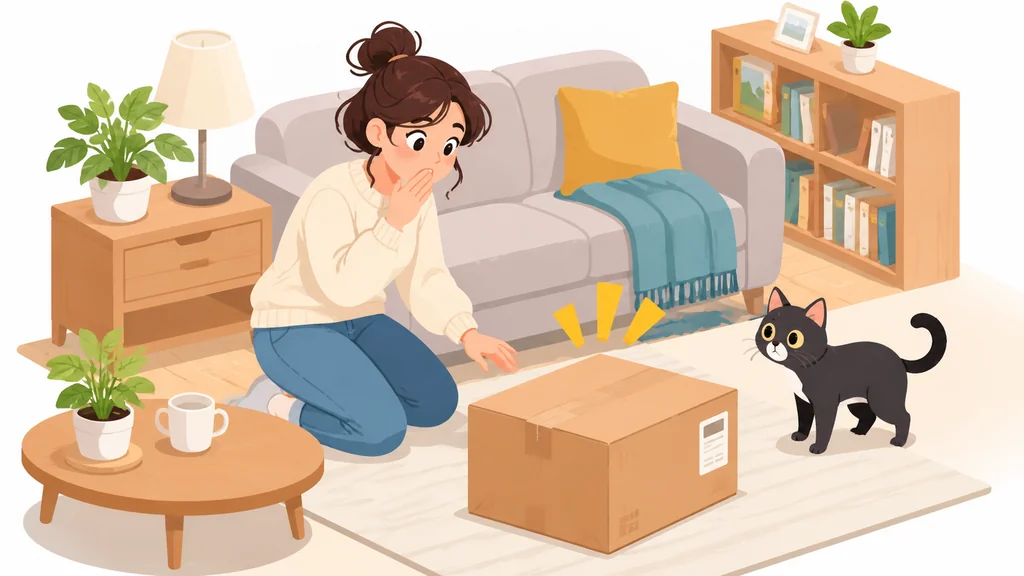
A brushing scam is when a seller ships a cheap item to your real address without you ordering it, then uses that shipment record to post a fake “verified purchase” review in your name. You are not a customer in this scheme. You are the proof that the sale happened. The parcel is the receipt the seller needs, and you are the name attached to it.
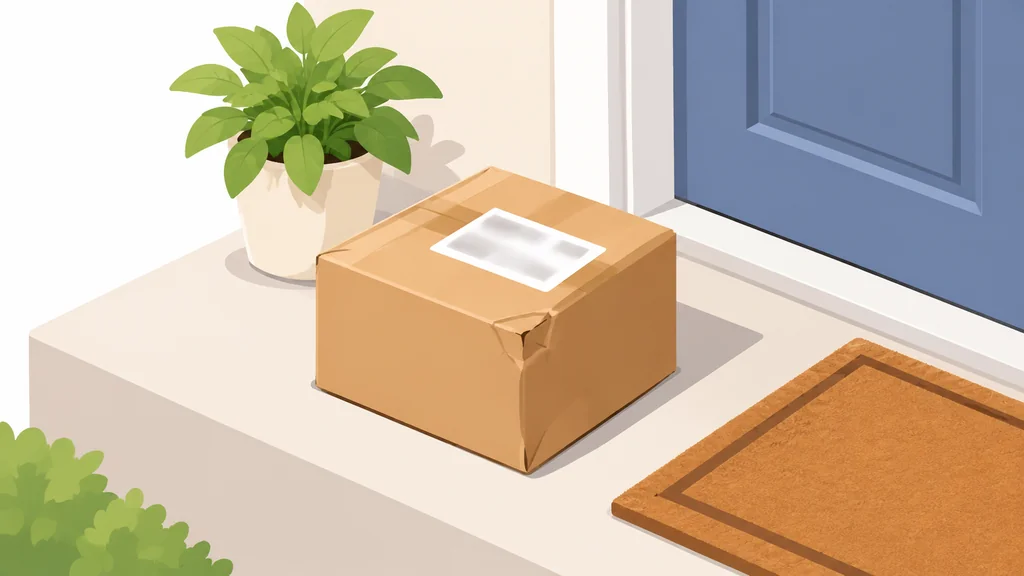
That is the whole trick, and it explains everything odd about the box on your step. It is light. It is something you would never buy. Your name and address are correct, which is the part that makes people uneasy. Nobody broke into your account to send it. Your address was already floating around in a shipping database, and the seller pulled it from there.
What a brushing scam actually is
The word comes from the idea of “brushing” a fake sale past a platform’s fraud checks. A merchant creates an account, lists a product, and then generates orders that ship to real addresses pulled from leaked or scraped customer lists. The platform logs a completed transaction. The seller then writes a glowing review from a second account that shows up as a verified buyer.
The scale of this is not small. Alibaba reported revenue of more than $14 billion on Singles’ Day, and the SEC opened a probe into the validity of that data. When a single shopping event moves that much money, the incentive to manufacture sales records is enormous.
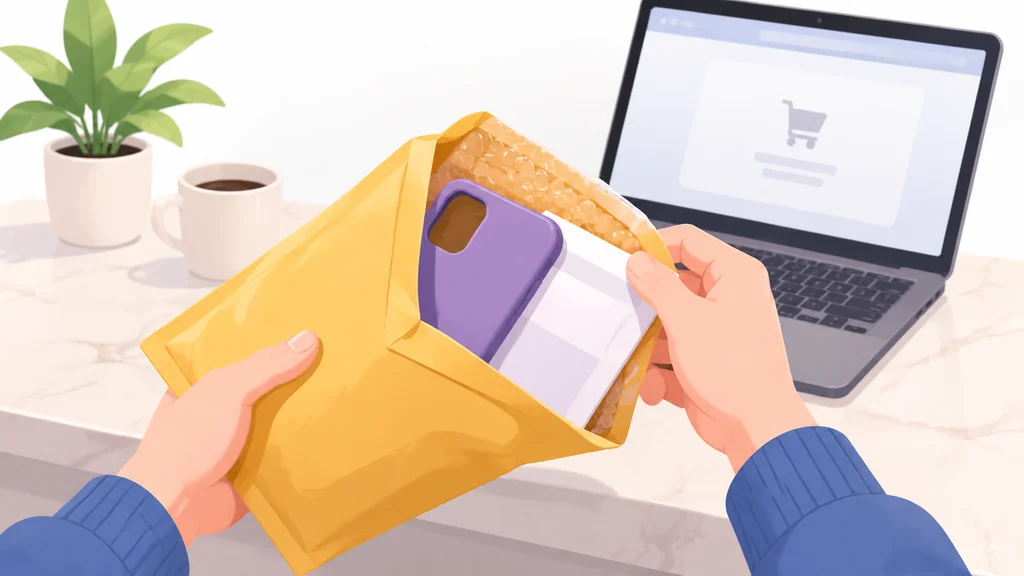
The items are chosen for one reason. They are cheap to buy and cheap to ship. Think a single silicone phone case, a pair of thin socks, a packet of hair ties, a small bag of seeds. The seller loses a little money on each parcel and gains a review that lifts a listing in search results.
You may also see this described as a “brushing scam” in news coverage of e-commerce fraud, and it sits in the same family as fake review farming. In an Italian court case over fake Tripadvisor reviews run by an operation called PromoSalento, the operator was jailed for 9 months and ordered to pay €8000 in costs and damages. That case was about reviews rather than parcels, but it shows where the whole business leads when someone finally chases it.
Why the parcel has your name on it
Your name and address are not secret. They live in the shipping records of every store you have ever bought from, in loyalty schemes, in competition entries, in the address book of a relative who once sent you a gift. Data from those systems gets sold, leaked, or scraped, and it ends up in lists that cost very little to buy.
The seller does not need your password. They do not need your card. They need a valid address that a carrier will accept, and yours qualifies.
This is why the package arrives correctly addressed and why your account shows no order. There is nothing to find in your order history because the order was never placed under your login. It was placed under the seller’s own account, with your address typed into the shipping field.
A useful comparison is a junk mail letter with a real name on it. The sender bought a mailing list, printed your details, and posted it. Nobody hacked your mailbox. The same logic applies here, except the parcel creates a transaction record on a shopping platform.
If you have ever had a fake renewal invoice land in your inbox, you already know this pattern of someone using your real details to make a fake transaction look legitimate.
How to tell a brushing parcel from a real delivery
The first check is your own order history. Open the app or site for the marketplace the parcel seems to come from and look at your orders. If nothing matches, and the sender is a company you have never heard of, you are almost certainly looking at a brushing shipment.
Then look at the parcel itself. A few things tend to show up together.
- The sender name is generic or garbled. Often a string of letters, or a name that does not match any brand you know.
- The item is trivial. A single cheap accessory, a sample, a sachet, a piece of plastic with no obvious use.
- There is no invoice inside. Real orders usually carry a packing slip. Brushing parcels often have nothing.
- The weight is wrong. A parcel that should contain something substantial feels empty.
- The tracking number goes nowhere useful. It may show as delivered before you even found the box.
One warning about the tracking number. Some brushing operations use a real tracking number from a different shipment, so the record shows a delivery in your area that has nothing to do with the item in your hand. If the tracking looks odd, that is a known feature of the scheme.
What to do with the parcel, step by step
The practical steps are about protecting your accounts and making the fake review harder to keep.
- Do not contact the sender. There is no customer service behind a brushing operation, and a reply confirms your address is live.
- Check your accounts on the marketplace. Log in directly rather than through any link in an email, and confirm no order exists. Change the password if anything looks unfamiliar.
- Keep the parcel and the label for a short while. Photograph the sender name, the return address, and the tracking number before you bin anything.
- Report the shipment to the platform. Most marketplaces have a route for reporting a package you did not order, and a report with photos is harder to dismiss.
- Report it to your local consumer protection office if the platform does nothing.
- Watch your inbox for a while. A brushing parcel is often the first sign that your details are circulating, and follow-up phishing is common.
- Leave the item out of your own reviews. Do not review a product you did not buy, even to warn people. It muddies the record the platform is trying to clean up.
What to do with the parcel, step by step1Do not contact the sender2Check your accounts on the marketplace3Keep the parcel4Report the shipment to the platform5Report it6Watch your inbox for a while7Leave the item outThe steps from this section at a glance.
If you slip and click something in a follow-up email, act promptly. The guide to what to do after you click a phishing link walks through the order to do things in, starting with the password change and the session sign-out.
The reporting step is where most people give up, and it is also the step that does the most good. A single report looks like noise. A pattern of reports from the same address block is what gets a seller account suspended.
The review problem underneath
The parcel is only the machinery. The product being sold is the review.
A verified purchase badge carries weight with shoppers, and platforms built their fraud detection around the assumption that a shipped parcel means a real person wanted the thing. Brushing attacks that assumption directly. The seller is not trying to sell you the phone case.
Regulators have started to treat this as consumer protection rather than a quirky marketplace annoyance. In August 2024 the Federal Trade Commission announced a final rule prohibiting fake consumer reviews. The rule targets the practice at the review end, which is where the money is.
That matters to you because it changes what a report can achieve. Reporting an unordered parcel is no longer just a complaint about a stray box.
When to worry, and when not to
Most brushing parcels are annoying and nothing more. The seller needs a delivery address and nothing else, so the scheme does not touch your accounts. The box is a nuisance with a marketing purpose.
There are a few situations where the parcel is a symptom of something larger.
Your details appear in a data breach notice at the same time. Then the parcel is one of many consequences, and the priority is passwords and payment cards rather than the box itself.
You start getting order confirmations you did not place. That is a different problem. Someone may have accessed an account to place those orders; brushing uses your address to create shipment records. Log in directly, change the password, and sign out of any sessions you do not recognise before you deal with the messages.
The parcels keep coming, month after month. A single brushing shipment is common. A steady stream suggests your address has been added to a list that is being reused, and it is worth escalating to the platform and to your local consumer office.
A card you own shows a charge you do not recognise. Stop reading about parcels and deal with the card first. That is a payment problem, not a brushing problem.
The parcel is not a threat to your home. It is a piece of someone else’s advertising budget that landed on your step by mistake.
Brushing Scam FAQ
Does a brushing parcel mean someone has my card details?
No. If you do see an unfamiliar charge, treat that as a separate problem and contact your card issuer.
Should I send the parcel back?
There is no one to send it to. The return address on a brushing parcel is often fake or belongs to an unrelated business, and paying for return postage just moves your money to a carrier for a box you never wanted. Keep it, photograph the label, and report the shipment instead.
Can I get in trouble for a review posted in my name?
The review is posted from the seller’s own account, not yours. You did not write it, and you do not control the account that did. Reporting the shipment to the platform is the route that gets the review reviewed.
How do I stop the parcels arriving?
You cannot block a sender who found your address in a database, and asking them to stop only confirms the address works. Reduce the flow by reporting each shipment to the platform and to your local consumer office, and by tightening the privacy settings on any shopping account that stores your full address.
Is an unordered parcel from a brand I recognise a brushing scam?
It can be, but check the order history on that brand’s own site before you assume anything. A genuine delivery mix-up and a brushing shipment look identical on the doorstep.
Thank you for reading!