
Post Menu and Details.
- What the Toll-Free Code Really Is
- How a Toll-Free Number Works Behind the Scenes
- Why a Real 888 Number Is a Favourite Cover for Scams
- How to Check a Toll-Free Number Before You Trust It
- Reading the Labels Your Phone Puts on a Call
- Filtering and Blocking 888 Calls
- When to Involve Your Carrier or a Professional
- Toll-Free Area Code FAQ
Words: 2244
Reading time: ~9 minutes
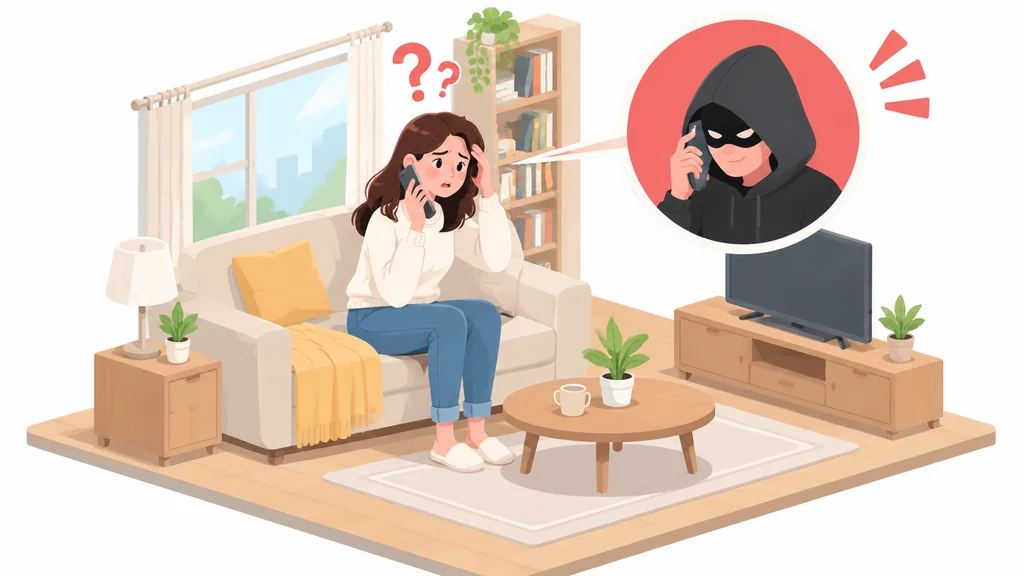
Yes, 888 is a real area code. It is one of the toll-free prefixes assigned inside the North American Numbering Plan, alongside 800, 833, 844, 855, 866 and 877, and numbers in that block work exactly as advertised. That is also the problem. A prefix that looks official, costs the caller nothing and points at no particular place is a very good disguise, so the same code that fronts a genuine help desk also fronts people pretending to be your bank.
What the Toll-Free Code Really Is
Start with the dull part, because it answers the question. An ordinary area code tells you roughly where a line sits, which is why a Chicago number and a Toronto number look different before you finish dialling. Toll-free codes break that rule on purpose. Nobody lives in this code. There is no town, no county and no exchange building, just a block of numbers set aside for organisations that want their callers to reach them without paying.
The working toll-free prefixes in the North American Numbering Plan are 800, 833, 844, 855, 866 and 877. That is the rest of the live list, and the code in question sits inside it as a normal member, not as an oddity or a spoof marker. The numbering authorities also hold 822 and 889 in reserve for future toll-free use. They hold 880 through 887 in reserve too. That tells you the pool is managed deliberately and codes are not sprayed out at random.
In the United States, toll-free numbering is regulated under the Code of Federal Regulations Part 52 Section 101. That matters to you for one practical reason. Because the block is regulated and shared out by a central authority, you cannot read anything about the caller’s character from the prefix alone. A pizza chain, a hospital billing department, a charity and a fraudster can all hold or display a toll-free line, and the code will look identical in every case.
What the code does tell you is who pays. The organisation that rents the number pays for the call, and you do not. Everything else about the person on the other end, including whether they exist, has to come from somewhere else.
How a Toll-Free Number Works Behind the Scenes
Toll-free dialling is old technology that has been quietly rebuilt several times. The first automated toll-free service used area code 800, created as inbound Wide Area Telephone Service (InWATS) in 1966 for calls that stayed inside a single state. The idea was simple then and it is simple now. The receiving organisation takes the cost, the caller gets through free, and a routing table decides where the call lands.
That routing table is the part people miss. A toll-free number is a label that points at a destination chosen by whoever rents it. The call can land on a desk in the same city, in a contact centre on another continent, or on a queue that plays music until someone picks up. When a number is reassigned, the label stays and the destination changes, which is why a number you saved years ago may now reach a completely different company.
Small operations rent these numbers too. A one-person business, a booking line, a support desk for a software product, a church fundraiser, all of them can hold a toll-free number without owning a building or a switchboard. Landlines, mobile phones and cloud phone systems all accept them, and modern Voice over IP systems make it cheap to add one. So the presence of a toll-free prefix in your caller ID screen is evidence of a billing arrangement and nothing more.
The useful consequence is this. If someone calls you from a toll-free number and claims to be your bank, the number proves nothing about the bank. It proves that somebody, somewhere, is paying for a toll-free line or is pretending to.
Why a Real 888 Number Is a Favourite Cover for Scams
Caller ID is a display, and it carries no proof of identity. The number that appears on your screen is sent along with the call by the network that starts it, and it can be set to almost anything. This is called spoofing, and it is the single reason toll-free codes show up so often in fraud. A scammer who wants to look like a corporation picks a corporate-looking prefix, and this one is near the top of the list because it reads as national and official.
There is a second trick that catches careful people. Some fraudsters display the genuine toll-free number of a real company, so that when you look it up, it checks out. You call back, you reach the real switchboard, and the person who called you is not there and never was. The number was borrowed as a costume. Searching a number and finding a real business attached to it does not clear the person who called you.
The pressure tactics follow a pattern you have probably met. A problem you did not know you had, a deadline measured in minutes, a demand for payment by gift card or by a transfer to an account that is not the one on your statement, and a strong push to stay on the line. Real organisations rarely mind if you hang up and call them back through a number you found yourself. Fraudsters mind a great deal.
Older targets get hit hardest, and the calls often arrive in waves around tax season or the winter holidays, when people expect contact from officials and retailers. If you are reading this on behalf of a parent, the practical job is not teaching them to spot every script. It is making the callback habit automatic.
How to Check a Toll-Free Number Before You Trust It
The checks below settle most cases in a few minutes, and none of them require you to stay on the line with the caller.
- Hang up first. Nothing that follows depends on continuing the conversation, and a real organisation will still be there afterwards.
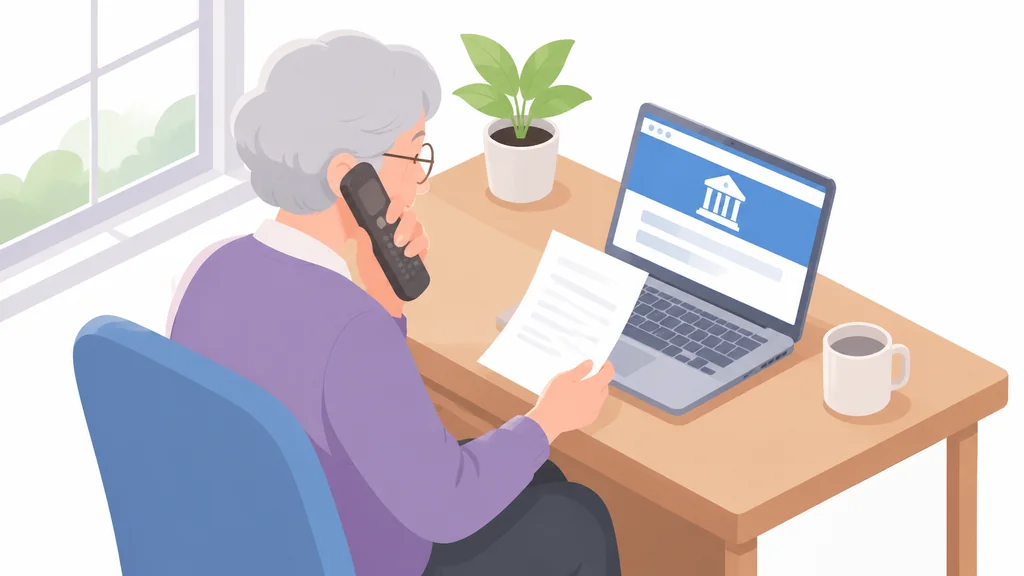
- Find the organisation’s number yourself, from a statement, a bill, the back of a card or the official website you typed in rather than a link you were sent.
- Call that number and ask whether anyone tried to contact you. If the answer is no, the earlier call was not from them.
- Search the exact number in a search engine and see which company it belongs to. A number attached to a business you have never dealt with is a warning.
- Look at what the caller wanted. Payment by gift card, a remote access tool installed on your computer, or a transfer to a new account are all reasons to stop.
- Ask for the request in writing through a channel you already trust, such as the message centre inside your bank’s app or a letter to the address on file.
- If money has already moved, call your bank’s fraud line the same day and report the call to the relevant consumer protection office in your state or province.
How to Check an 888 Number Before You Trust It1Hang up first2Find the organisation's number yourself3Call that number4Search the exact number5Look at what the caller wanted6Ask for the request7If money has already movedThe steps from this section at a glance.
Step two does most of the work. The callback habit defeats spoofing almost completely, because the number you dial is one you chose from a document you already had. It also removes the time pressure, which is what the script depends on.
Keep a short written list near the phone for the accounts that matter in your household, and update it when you change providers. A list on paper works when the internet is down, when a website has been cloned, and when the person answering the phone is flustered.
Reading the Labels Your Phone Puts on a Call
Modern phones add their own commentary above the number, and it is easy to misread. A label such as Potential Spam or Scam Likely is generated by your carrier or by the phone’s own database using call patterns and reported numbers. It is a warning, not a verdict. Plenty of legitimate toll-free lines get flagged because they make a lot of outbound calls, and plenty of fraudsters slip through with a clean screen because the number is new.
Unknown Caller is a different label with a different meaning. It usually means the network did not pass a name along, not that the call is dangerous. Understanding which label means what saves you from blocking a delivery driver and from trusting a polished-looking name that was typed in by the caller. There is a plain explanation of these labels in this breakdown of unknown caller versus potential spam, and it is worth five minutes if the wording on your screen has ever confused you.
Names are weaker evidence than numbers. The text beside a number comes from a caller name database and can be wrong, out of date or set by the caller. Treat a friendly company name on screen the way you would treat a logo on an email. It is decoration until something else confirms it.
Filtering and Blocking 888 Calls
You do not have to answer every call to stay reachable. Every mainstream phone platform now offers a screening mode that makes unknown callers state their business before the phone rings, and the ones that do not state a reason never reach you. That single setting removes most silent calls, most recorded pitches and a good share of the fraud attempts aimed at your household.
Turning it on takes a couple of minutes and the settings differ between platforms, so follow a walkthrough for your device rather than guessing. This guide to iPhone call screening setup covers the switch, the exceptions list and the tuning that keeps it usable, including how to let through calls from people in your contacts while silencing the rest. If you have ever tapped the wrong button on an incoming call and lost the caller, this explanation of the iPhone caller screen buttons shows what each one does before you commit.
Blocking individual numbers has limited value against fraud, because the number changes with every wave. Blocking a whole prefix is worse, since it also cuts off genuine businesses. Screening at the platform level is the setting that actually reduces the volume, and it keeps working when the numbers change.
When to Involve Your Carrier or a Professional
Some situations are past the point where a callback habit helps. If a caller persuaded you to install remote access software, treat the computer as compromised and get it checked by someone who can look at the machine properly, because remote tools survive a restart and often a password change. If you gave out a one-time code from a banking app, phone the bank immediately and ask them to freeze the account while you sort out what was taken.
Persistent nuisance calls that continue after blocking and screening are worth a call to your carrier, who can apply network-level filters and, in some cases, trace the source. If a caller is impersonating a government office or a utility and threatening disconnection, report it to the consumer protection agency for your state or province and to the national fraud reporting service where one exists. Reports from several households are what turn a single annoying call into an investigation.
For a business that relies on a toll-free line, the same logic runs in reverse. Monitor your own number for spoofing complaints, publish the number prominently on your site so customers can check it, and never ask for payment details in an outbound call. A short line on your contact page saying that you will never request payment by gift card protects your customers and your name at the same time.
Toll-Free Area Code FAQ
Is 888 a real area code?
Yes, it is one of the seven working toll-free prefixes in the North American Numbering Plan. It is a genuine, assignable code, which is precisely why a scammer displaying it is not making an obvious mistake.
Where is the 888 area code located?
Nowhere. Toll-free codes are not tied to a city, state or region, so a toll-free number gives you no clue about where the person answering sits. The organisation that rents the number chooses where calls are routed, and that destination can change without the number changing.
Can I call a toll-free number from outside the United States?
Often yes, but not always, and the call may not be free from abroad. Reachability depends on the carrier and the country you are dialling from, so check with your own provider before assuming the call will connect or cost nothing.
Why does a genuine toll-free number show up as Potential Spam?
Carrier and phone databases flag numbers by call patterns and user reports, and a legitimate organisation that dials out in volume accumulates reports quickly. The label is a prompt to be careful, not proof that the call is fraudulent, so verify through a number you looked up yourself.
Can I get my own toll-free number?
Yes, toll-free numbers in the working block are available to rent from carriers and cloud phone providers, and small businesses use them without any special status. Expect to pay for the number and for the calls your customers make, and read the rental agreement closely before you publish it widely.

Thank you for reading!