

Post Menu and Details.
- Why a call shows "No Caller ID" in the first place
- What your phone can and cannot tell you
- How to find out who called, step by step
- When a hidden number is a red flag
- Blocking and filtering hidden calls
- What the law does and doesn't do for you
- When to call a professional
- No Caller ID FAQ
Words: 1615
Reading time: ~6 minutes
A “No Caller ID” call means the network is not passing the caller’s number to your phone. The caller either dialled a per-call blocking code, set permanent number hiding on their line, or the carrier dropped the data somewhere between them and you. It does not mean the call is automatically a scam, and it does not mean the number is impossible to trace.
Think of it like a letter with no return address. The postmark still exists, the sorting office still logged it, and the sender still had to buy a stamp. Your phone just isn’t shown the envelope.
Why a call shows “No Caller ID” in the first place
There are three ordinary reasons, and only one of them is suspicious.
The first is deliberate per-call blocking. In the US and Canada, dialling a short prefix before the number hides it for that one call. In the UK and much of Europe, the same trick exists with a different code. Doctors, social workers, bailiffs and police often use it so the person receiving the call doesn’t get a number they can ring back.
The second is a permanent setting on the caller’s line. Some people hide their number on every call. Their carrier applies the block before the call ever reaches you, so nothing on your handset can undo it.
The third is a network gap. Calls routed between carriers, especially international ones, sometimes lose the caller ID data in transit. A call from a relative in Australia or a supplier in Germany can arrive as “No Caller ID” simply because one hop in the chain didn’t forward the field.
What your phone can and cannot tell you
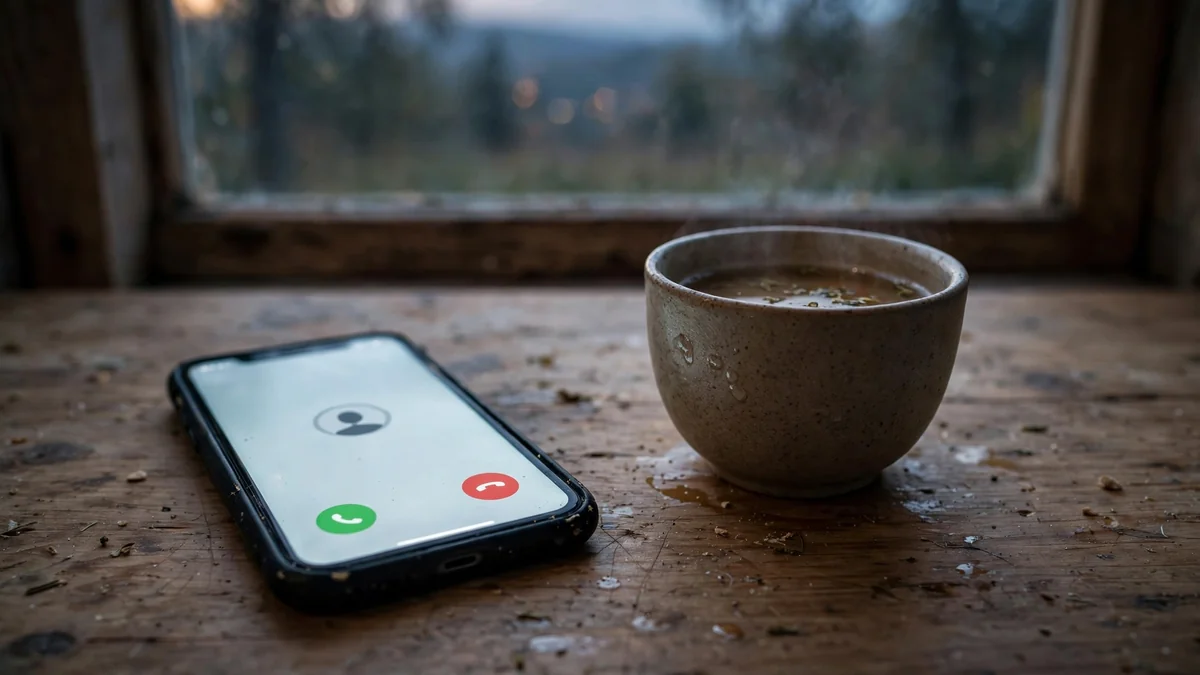
Your handset only displays what the network hands it. If the caller ID field arrives empty, the phone has nothing to show and falls back to the “No Caller ID” or “Unknown” label. No app, setting or secret menu on the phone itself can reconstruct a number that was never delivered.
What you can still see is the metadata around the call. On Android and on an iPhone, the call log records the time, the duration and whether the call was answered. That is useful if you later need to report a pattern of calls, because a timestamped list carries more weight than a memory of “someone rang me”.
What you cannot see is the name. Reverse-lookup services promise to name a hidden caller, and most of them guess from public records and often return the wrong person entirely. If a service asks you to pay before revealing a “No Caller ID” name, treat the payment page as the product.
How to find out who called, step by step
The sequence below runs cheapest and least invasive first. It works the same whether you’re on a landline in Texas or a mobile in Ireland.
- Check your voicemail. A blocked caller who leaves a message usually identifies themselves in the first sentence, and many organisations that hide their number still leave a callback reference.
- Look at the time and pattern. Three calls in a short spell at 9am on a Tuesday looks like a delivery or a clinic. One call at 8pm on a Sunday looks like a sales dialler.
- Dial the number back only if your carrier supports anonymous call rejection, which will refuse the return call and often plays a message telling the caller to unblock. That message alone makes some people reveal themselves.
- Ask your carrier whether they offer a caller ID service that displays numbers the handset can’t. Some landline providers in the UK, Canada and the US supply this as a paid add-on, and it can show numbers your phone hides.
- If the calls are persistent and unwanted, log them and report them to your carrier’s nuisance call team. In many countries the regulator also takes reports, and a pattern of complaints is what triggers action.
- For a business number you don’t recognise, search the voicemail transcript or the reference number they left.
How to find out who called, step by step
A note-taking or call-logging app on your phone can help you build that timeline. The same install routine covered in this guide to downloading Keepsafe for PC, Android and Windows 10 applies to most of these tools, and read it before you grant any app access to your call history.

When a hidden number is a red flag
Most “No Caller ID” calls are dull. A few are not, and the difference is in what the caller asks for.
Be careful when a hidden caller claims to be from your bank, your phone company or a government department and then asks you to confirm a password, a one-time code or your account details. Real organisations that hide their number, and plenty do, will not need you to prove who you are before they’ll explain why they called. Hang up and ring the number printed on your statement or card.
Be careful too with calls that create urgency. A hidden caller telling you a payment failed, a parcel is held or a family member is in trouble is using the missing number as cover, because you can’t check the story while they’re talking. Nothing legitimate collapses because you took two minutes to ring back on a number you found yourself.
The other red flag is silence followed by a click. That’s usually an automated dialler connecting calls to an agent, and the hidden number stops you blocking it. Don’t engage, don’t press a key to “be removed”, and don’t call back a number you were read out by a recorded voice.
Blocking and filtering hidden calls
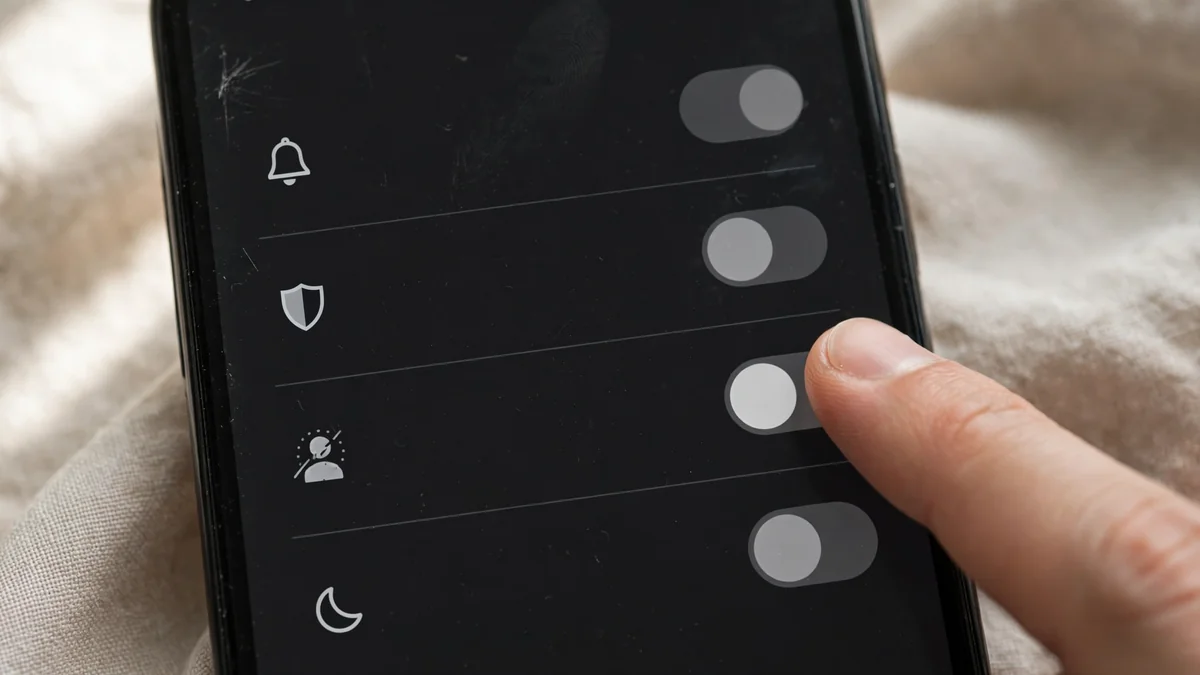
On an iPhone, the Silence Unknown Callers setting sends any call from a number not in your contacts straight to voicemail. It doesn’t distinguish between a hidden number and a new one, so tell your family before you switch it on. On Android, most manufacturers include a similar spam and unknown-caller filter in the phone app’s settings, and the exact menu path varies by model, so check the label in your own dialler.
On a landline, ask your provider about anonymous call rejection. It’s a switch on their side, it usually costs nothing, and it plays a recorded message to hidden callers asking them to unblock before the call will connect. Genuine callers who want to reach you will unblock. Diallers usually won’t.
If you’re running your phone through an emulator on a desktop for testing or for a second number, the setup steps in this guide to downloading BlueStacks for PC, Mac, Windows 10 and Android are the same ones you’d follow for most Android tools, and the call-filter settings carry over.
What the law does and doesn’t do for you
Rules on caller ID vary widely. In the US, carriers have moved toward caller ID authentication technology called STIR/SHAKEN, which is designed to stop spoofed numbers. In the UK, phone companies are expected to filter nuisance calls. Neither system guarantees that a hidden number becomes visible to you.
A regulator can act on patterns that an individual cannot, and reporting a run of “No Caller ID” calls that all ask for the same thing is more useful than blocking each one. Keep dates and times. If you’re in Australia, the telecommunications ombudsman takes the same kind of report.
When to call a professional
You don’t need a technician for a hidden number. You might want one, or want your carrier’s help, in two situations.
The first is harassment. If the same hidden caller rings repeatedly, at the same times, and the content is threatening or targeted, that’s a matter for your carrier’s nuisance team and possibly the police. Save the call log and any voicemails, and don’t delete them.
The second is a landline that behaves oddly. If your phone shows “No Caller ID” on every single call, including from people in your own contacts, the fault is likely in the line or the handset’s caller ID unit. That’s a job for your provider, and ask them to test the line before you buy a new phone on a guess.
No Caller ID FAQ
Does “No Caller ID” mean the call is a scam?
No. Plenty of legitimate callers hide their number, including clinics, delivery drivers and people calling from a work line that blocks outgoing numbers by default. Judge the call by what the person asks for.
Can I find out who a hidden caller is?
Sometimes, but not from your phone alone. Your carrier may offer a service that reveals numbers your handset can’t display, and a voicemail often identifies the caller. Paid reverse-lookup sites that promise to unmask a “No Caller ID” number are usually guessing.
Why do I get “No Caller ID” calls with nobody there?
That’s typically an automated dialler connecting calls to an agent, or a call routed across networks that lost the caller ID data. Silence followed by a click is the classic pattern. Don’t press any key to be removed, and don’t call back.
Can I block all hidden numbers?
Yes, in most cases. On a mobile, the silence unknown callers setting covers them. On a landline, ask your provider to switch on anonymous call rejection, which makes hidden callers unblock before the call will connect.
Is it illegal to hide your number?
In most countries it’s perfectly legal, and it’s a standard feature on many phone lines. The rules bite when someone hides their number to commit fraud or harassment, which is why reporting a pattern to your carrier matters more than blocking a single call.
Thank you for reading!